
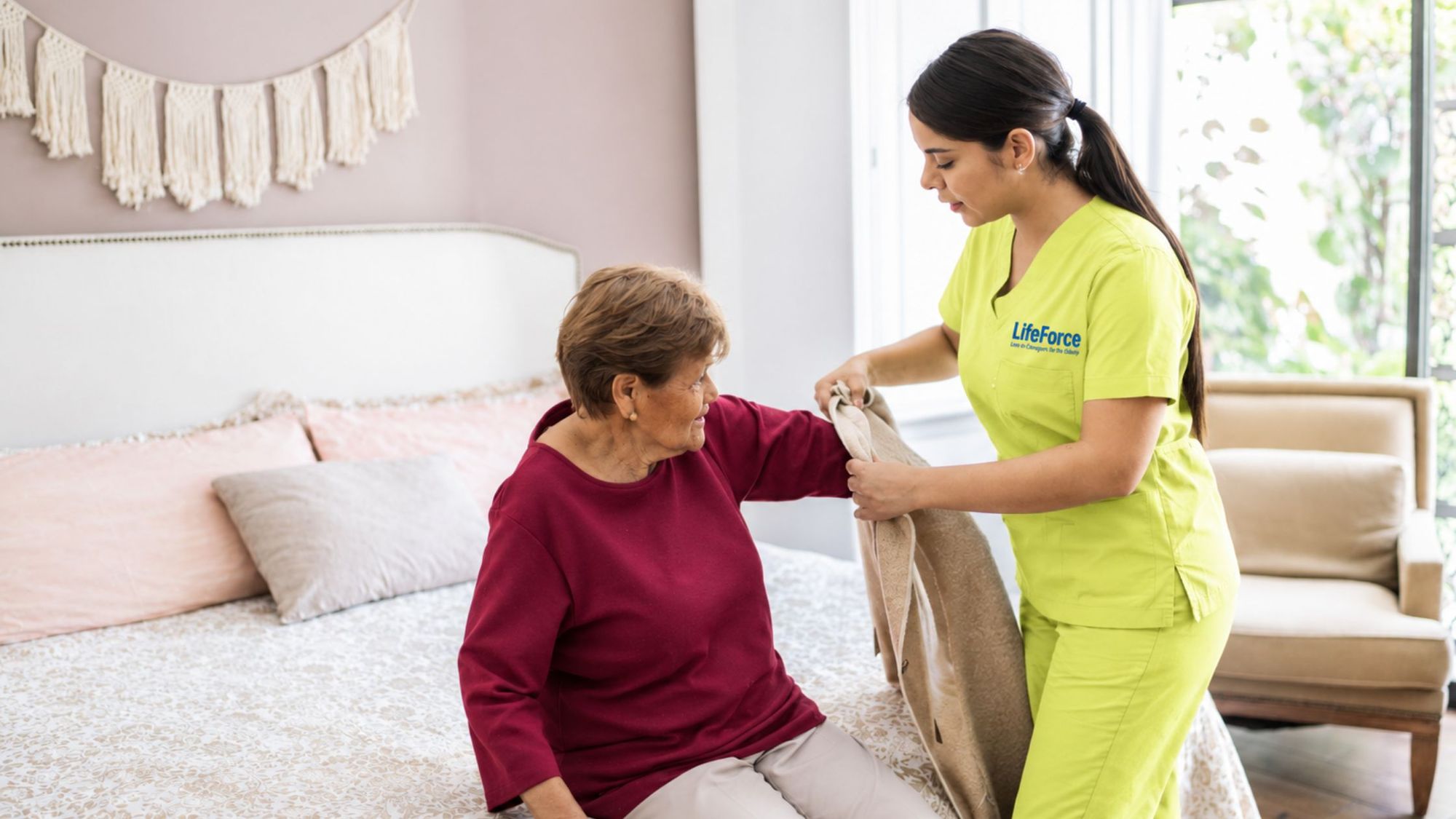
When an older parent needs help at 3 a.m., families want someone they trust to be there. They need more than basic support. They need a caregiver who responds with skill, patience, and kindness. Certified caregiver services provide trained and screened professionals who support seniors throughout the day and night. For many families, this care brings comfort while helping an older loved one remain in familiar surroundings.
What Does 24-Hour Home Care Involve?
24-hour home care provides support throughout the day and night based on the senior's care plan. Care includes morning routines, meals, medication reminders, mobility support, and bedtime assistance.
Nighttime care matters too. A caregiver helps a senior reach the bathroom, responds when they wake up, and provides support for all work. Having someone nearby helps them feel safer and gives family members greater peace of mind.
Why 24-Hour Home Care Matters
Care needs do not follow a fixed schedule. An older adult might need help getting dressed in the morning and mobility support later in the evening. A live-in caregiver provides steady assistance as these needs arise.
Home care includes personal care, meal preparation, light household tasks, transportation, mobility support, and safety checks. The care plan should reflect the senior's needs, habits, comfort, and daily routine.
What Do Certified Caregivers Do?
Training gives caregivers the skills needed to support older adults with daily tasks. Certified caregiver services cover many parts of a senior's routine, based on the agreed care plan.
Common areas of support include:
- Bathing, dressing, grooming, and toileting
- Meal preparation and hydration
- Medication reminders
- Walking and transfers
- Laundry and light housekeeping
- Companionship and recreation
- Transportation to medical visits or stores
Caregivers also assist with exercise or range-of-motion routines when these activities form part of a plan set by a licensed physical therapist.
How Do Caregivers Help With Safety?
Having a caregiver at home provides a reassuring sense of support. A senior who needs help getting out of bed or moving between rooms has assistance close by.
Caregivers also become familiar with the senior's normal routine. They notice changes in appetite, movement, mood, or personal habits. Sharing these changes with family members helps them decide when to contact a doctor or another health professional.
Families who wants the most awarded home care services in Pennsylvania should review caregiver screening, training, care plans, and communication practices. Awards offer useful information about a provider, but they should not replace questions about daily care.
What Should Families Ask?
Choosing home care is an important decision. Families should understand how care works before services begin.
Consider asking:
- How are caregivers screened and trained?
- What tasks are included in the care plan?
- How does the provider assess each client's needs?
- What happens if a caregiver becomes unavailable?
- How does the family receive care updates?
- Are the services, fees, and duties clearly explained?
Clear answers help families feel more confident about the care their loved one receives.
How Do Families Benefit From Trained Live-In Help?
Peace of mind matters when a loved one needs care around the clock. Adult children often worry about a parent being alone at night or struggling with a daily task. A trained caregiver provides support when family members cannot be there.
Caregivers also notice changes such as confusion, poor appetite, or swelling. They report these concerns to the family and help communicate them to a health professional when needed. Providers offering the most awarded home care services in Pennsylvania may include this type of observation and communication in daily care.
Final Thought
24-hour home care gives seniors access to support throughout the day and night. A trained caregiver assists with personal care, meals, mobility, companionship, and household tasks. Consistent care also helps an older adult feel supported while remaining in a familiar home environment.
Life Force Eldercare provides live-in care for older adults who want to remain at home. Families can learn more about its services and free needs assessment to understand how care fits their loved one's needs.